
New UK Betting Sites Worth a Look in 2026
 Available in US
Data current as of October 30, 2026 and verified against the Gambling Commission’s public register.
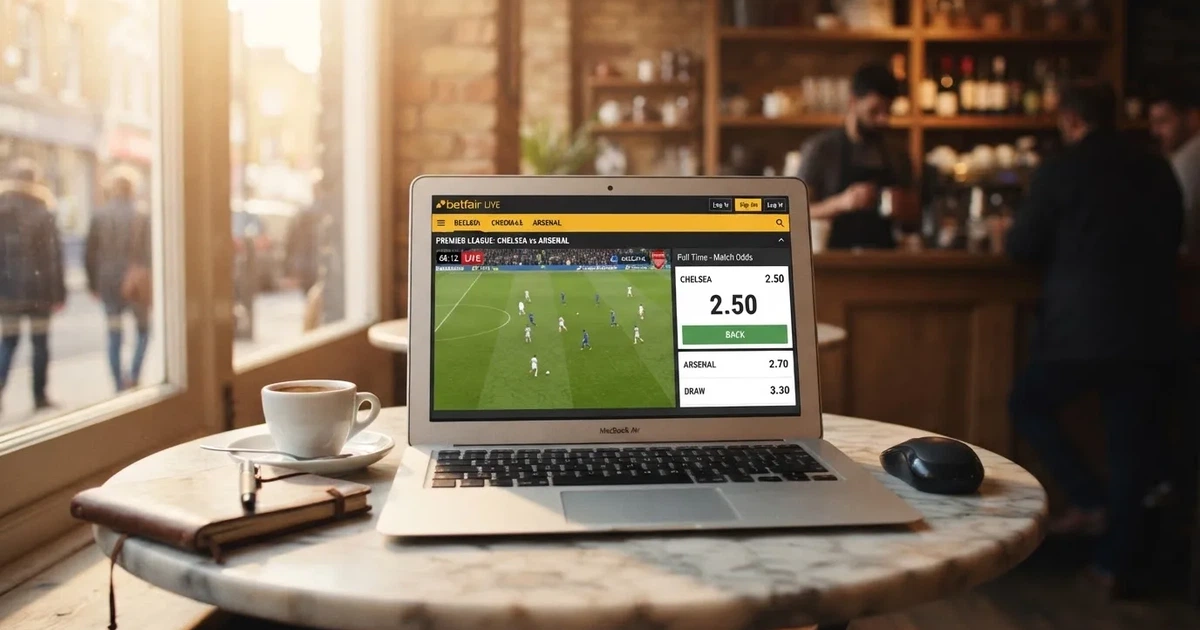
A “new betting site” in 2026 is a strange object. The market already has names older than most readers — Coral was founded in 1926, Betfair took the first exchange bet in 2000, Unibet dates to 1999. The label is not really about how young the technology is, but about how recently a fresh brand has been cleared to take a bet from somebody in Manchester, Edinburgh or Cardiff. That clearance is what makes the difference between a bookmaker and an off-the-shelf website with a deposit button, and the register is the place where the line is drawn.
This page works the way a careful punter would. It starts with the question of what “new” actually means in a regulated market, ranks the ten brands that have earned a place in the 2026 class, then walks through the regulation, the safer-gambling floor and the offer mechanics that decide whether any of them is worth opening an account with. The angle is choice: every path a UK bettor has in 2026, and who each one is built for.
What Counts as a New UK Betting Site in 2026
A site is new in this market when its remote betting licence is recent, when it has just gone live, or when the brand itself has only just started trading. That is three different definitions and the page keeps them separate.
The Gambling Commission issues a remote general betting standard (real events) licence that lets an operator take bets from customers in Great Britain. Every bookmaker in the 2026 class below holds one, and the register is searchable by business name, trading name, account number or domain. The number of live licences changes weekly; quoting a count without an access date is the kind of figure that ages the moment a new entrant goes live or an existing one hands a licence back. The 2026 picture includes high-street names that have been around for decades alongside genuinely fresh launches — Kalooki Sportsbook, operated by Kalooki Sports Book Ltd under Commission account 57730, sits in that newer group; Unibet, operating since 1999 under Platinum Gaming Limited on account 45322, sits in the other.
Then there is the third category: brands that look new but are not. Betdaq announced in 2026 that there will be no markets on the site after 21 October 2026, with account access until 4 November 2026 to view statements and withdraw balances. A bookmaker that is closing its markets is not a new arrival even if a reader has only just seen the name. Spreadex, by contrast, has been around long enough that its licence is split between the Financial Conduct Authority for spread betting and the Gambling Commission for fixed odds, and the company states plainly that spread betting losses can exceed the deposit. That kind of clarity is the part of the market the page leans on.
The honest summary: a new site in 2026 is a recently-licensed brand whose Commission entry is current and whose site is taking bets. A site that is merely new-looking is something else, and a bookmaker that is closing is something else again.
The 2026 Class at a Glance
Before the long read, here is the shortlist. Ten brands. Every one holds a Gambling Commission remote general betting standard licence for real events, every one takes part in GAMSTOP, and every one is described from its own terms. The order is the order they are reviewed in below; the reader is the one who decides which one suits.

| Brand | Gambling Commission licence | What the operator’s own terms state on the key’s subject |
|---|---|---|
| Betmaster | Account 65699, held by BM Solutions GB Ltd (Malta) | Sports betting with deposit limits, timeouts and safer-gambling links to GambleAware, GamStop and Gamblers Anonymous |
| NetBet | Account 39170, held by Netbet Enterprises Limited | Daily Boosts, Profit Boosts and free bet offers; a Bet Builder with instant dynamic odds; sports stats for major leagues |
| 888sport | Account 39028, held by 888 UK Limited | Pre-match and in-play betting, Cash Out, Bet Builder, racing streams, BetFinder form tools, a live bet feed and daily boosted odds |
| BetMGM | Account 39198, held by LeoVegas Gaming PLC | Sports and casino from a single app, with a Commission-licensed UK product |
| Fafabet | Account 57385, held by Taichi Tech Limited | Best Odds Guaranteed on UK and Irish horse racing win and each-way bets from 9am on race days |
| Lottoland | Account 38991, held by EU Lotto Limited | Casino, lottery betting, sports betting and scratchcards under one Commission licence |
| Paddy Power | Account 39439, held by PPB Counterparty Services Limited | Football, horse racing, boxing, rugby, tennis, golf, darts, snooker and F1 markets |
| DragonBet | Account 64908, held by DragonBet Ltd | Welsh football and rugby markets, racing, American football, in-play betting and bet builder markets |
| VBet | Account 44662, held by SCGO Limited | Sports welcome offer of a £10 free bet if a new, verified customer stakes £10 or more on a first-ever bet that loses |
| Fitzwilliam Sports | Account 48760, held by SBKI Limited | Instant deposits, fast withdrawals, timeouts and deposit limits, with safer-gambling links to GambleAware, GamStop and Gamblers Anonymous |
The rest of the page reads across the columns of that table from a different angle: what each brand’s licence tells a reader, what the offer mechanics cost in real turnover, where in-play works and where it does not, and which sports a punter will actually find.
How the UK Market Is Regulated
The market sits on the Gambling Act 2005, which covers Great Britain — England, Scotland and Wales. Northern Ireland is outside the Act and runs on an older law, so a “GB licence” never regulates Northern Ireland. The Gambling Commission, a non-departmental public body sponsored by the Department for Culture, Media and Sport, administers the regime. Since the Gambling (Licensing and Advertising) Act 2014 any operator whose remote facilities are used in Great Britain needs a Commission licence wherever it is based; a Curaçao, Maltese or Gibraltar licence is not a substitute. Sections 33 and 36 of the 2005 Act, as amended, are the relevant provisions.

There is no state monopoly and no cap on the number of licences. The five licence categories that matter for sports betting are remote general betting standard (real events), remote general betting standard (virtual events), remote general betting limited, remote pool betting and remote betting intermediary — the last of which is the licence for betting exchanges. A bookmaker that takes a real-money sports bet from a customer in Manchester holds the first of these; an exchange takes bets and matches them between customers, which is a different legal product with different rate and rule arrangements. Several well-known brands run under one licensee — Paddy Power and Betfair share PPB Counterparty Services — and a reader checking the register will see them on the same entry, which is correct and not a duplication.
Minimum age is 18. Since 7 May 2019 the operator has to verify name, address and date of birth before a customer can deposit or gamble, including when the bet is paid for by a free bet or bonus. That is why the sign-up form asks for documents before the first stake: the law, not the marketing team. Credit cards have been banned for gambling in Great Britain since 14 April 2020 under LCCP condition 6.1.2, including credit-card-funded payments through an e-wallet; debit cards and bank-based payments are not covered by that ban. No state-set deposit or loss ceiling exists — limits are the customer’s choice, set inside the operator’s safer-gambling tools.
The player pays no tax on betting winnings in Great Britain. General Betting Duty is the operator’s tax on gross profits, currently 15%. From 1 April 2027 a new remote betting rate of 25% applies within it, while remote bets on UK horse racing, bets on self-service betting terminals in licensed premises, pool betting and in-person betting stay at 15%. Spread betting has its own rates: 3% on financial spread bets and 10% on other spread bets. Until 1 April 2027 the remote rate stays at 15%, and whether operators pass the rate on through prices is not established — never write that the player is charged duty.
Offshore matters because the licence is the test. Providing gambling facilities in Great Britain without the licence the Act requires is an offence under section 33 of the Gambling Act 2005 — on summary conviction up to 51 weeks’ imprisonment, a fine up to level 5, or both, and six months in Scotland — and that is aimed at the operator, not the customer. The honest framing for an unlicensed site is loss of protection: no GAMSTOP coverage, no Commission complaints route, no approved dispute-resolution body, no British consumer redress if funds are withheld, and no obligation to honour the 10x bonus cap or the £150 vulnerability check. Enforcement is disruption, not blocking: cease-and-desist notices, search-engine referrals, work with registrars, hosts and payment providers, and the Commission has been given or is about to receive court-order DNS blocking powers — never write that ISP blocking is already in operation. The other half of the trade-off matters too. A licensed site means verification before the first bet, and that is the cost the reader pays for the protection.
The Safer-Gambling Floor
Every UK-licensed remote operator is on GAMSTOP, and a customer who has self-excluded through GAMSTOP cannot open or use an account on any of the brands reviewed below. The scheme has been a mandatory licence condition for online operators since 31 March 2020, and the self-exclusion periods are six months, one year, five years, or five years with auto-renewal. After the minimum period the exclusion stays in place for a further seven years unless the customer asks GAMSTOP to remove it. GAMSTOP covers online sites and apps; betting shops use a separate service.
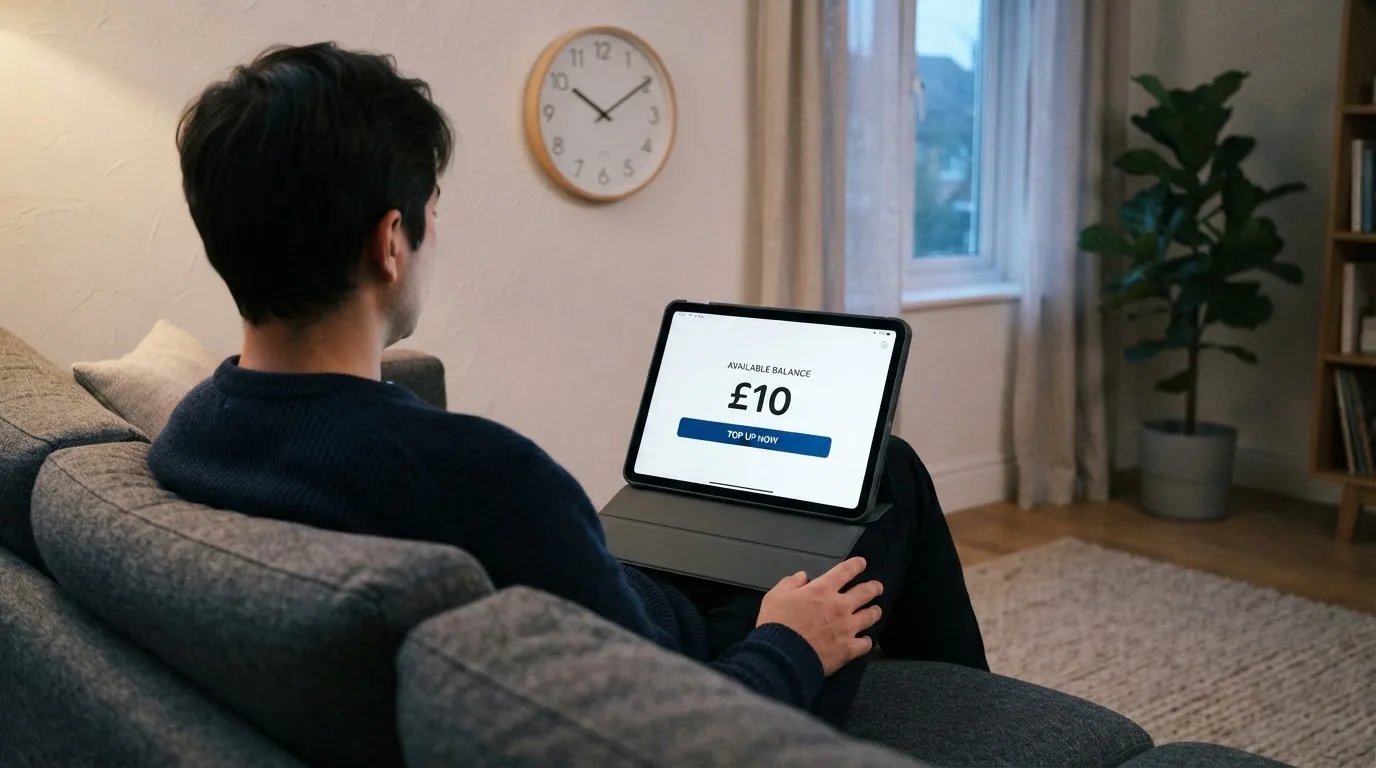
Two newer checks sit on top of the deposit-limit regime. A financial vulnerability check (LCCP condition 3.4.4, in force since 30 August 2024) applies to licensed remote betting when a customer’s deposits minus withdrawals exceed £150 in a rolling 30 days — that threshold has applied since 28 February 2025. The check is a public-record check, for example bankruptcy or county court judgments; it is not an income check and not a credit reference check. Financial risk assessments — the “affordability checks” the press writes about — were announced by the Commission in a staged plan on 7 July 2026, with no start date. The correct line is “announced, staged, no start date”, never “in force”.
Deposit limits (RTS 12) require operators to offer a gross deposit limit on a fixed time frame. The first changes have applied since 31 October 2025, a second phase was postponed to 30 September 2026, and whether that second phase is live is not established from a single source. Help is in plain reach: GamCare runs the National Gambling Helpline, GambleAware funds treatment and education, NHS gambling clinics operate in several regions, and Gamblers Anonymous runs peer-support meetings. The licensed brands below link to these services from their safer-gambling pages — Fitzwilliam Sports’ own site, for example, links to GambleAware, GamStop and Gamblers Anonymous, and Unibet’s safer-gambling page lists deposit limits, a Player Profile test, product restrictions and self-exclusion, alongside BeGambleAware, GamCare, GAMSTOP, Gambling Therapy and the BGC.
Two practical rules follow. First, a customer who wants to use any of the brands on the 2026 list and has self-excluded through GAMSTOP cannot. Second, the £150 rolling-30-days trigger is a check, not a ban — it is the operator reading a public record and asking the questions that follow, not the operator declining a deposit by default.
Welcome Offers and What They Actually Cost
Every brand on the list has a welcome mechanic. The vocabulary varies — “free bet”, “boosted odds”, “bet credit”, “profit boost”, “deposit bonus” — and the audit over the last two years found that the same word covers four different products. A cash bonus is money added to a withdrawable balance. A free bet is a token whose stake is usually not returned with a win. A “risk-free” bet refunded as a free bet is not a refund in money. A price boost and an accumulator insurance each stay what they are.
The headline rule since 19 January 2026 caps wagering requirements on bonuses at 10x. A £10 bonus at 50x would have needed £500 of qualifying bets; under the cap the same bonus needs no more than £100 of qualifying bets. Mixed-product promotions — an offer that requires gambling on two or more product types, such as “bet on football to get free spins” — are banned. The 10x cap applies to bonuses with a wagering condition; whether it applies to free bets with no wagering condition, and any cap on the money value of a bonus, are not established. Free bet stake is generally not paid back with a win, and the arithmetic that follows is the one a careful punter does before claiming.
Vbet’s sports welcome offer, stated on the operator’s own page, is a £10 free bet if a new, verified customer stakes £10 or more on a first-ever bet that loses. The shape is the standard “lose-first-bet, get-token-back” model. The first bet pays a real loss of up to £10 if it loses; the £10 free bet is paid only on a losing first bet; the stake on the free bet is not returned with a win. The market the free bet is spent on decides how much it is worth on average, and the margin of that market is the lever.
NetBet’s app page describes Daily Boosts, Profit Boosts and free bet offers, alongside a Bet Builder with instant dynamic odds. 888sport’s app page lists daily boosted odds, alongside features like Cash Out, Bet Builder, and racing streams. The shape of each operator’s offer is on the operator’s own terms; the cost of each offer is what the punter pays to clear it.
The honest reading of any welcome offer in 2026 is mechanical. A £10 free bet on a market with a 5% margin has an expected value of roughly £10 × (price − 1) ÷ price × 0.95, where price is the decimal odds at which the free bet is placed. A £10 free bet at 6.00 on a market with 5% overround is worth roughly £7.92 on average. A £10 free bet at 3.00 on the same market is worth roughly £6.33. The arithmetic defuses a marketing claim: “free” is the word on the page, but the value is whatever the price and the margin leave. A price boost that pays 50% extra is a different product: the boost applies to the winnings, the stake is paid back at the boosted price, and the value is the boosted-odds profit minus the original-odds profit. An accumulator insurance that refunds a stake as a free bet when one leg lets the punter down is a different product again: a six-fold with insurance is a six-fold when all six win and a five-fold’s loss-averse shape when one leg fails, with the cost paid in the cumulative margin across the six legs.
The audit’s lesson: the welcome offer is a reason to look at a brand, not a reason to bet on it. The cost is in the turnover, the minimum price, the deadline and the cap on free-bet winnings, and the rest of the page reads those numbers from the operator’s own terms.
Payments, Payout Speed and the £-Sterling Detail
A licensed UK bookmaker pays out in pounds sterling. Betfair’s account balances are held in pounds sterling; the same is true of every other brand on the list. The format is £ before the number, no space, so £10 and £5,000. “Fiver” and “tenner” are colloquial. The currency is part of the regulatory frame: a brand whose only wallet is in euros or dollars is not a UK product, and a brand that pays out in Bitcoin without an explicit Commission position is a different question altogether. No rule for or against cryptocurrency deposits at licensed operators has been published, so the page describes payments qualitatively from each operator’s terms.

Identity verification before the first deposit means there is no anonymous play at a licensed site. Source-of-funds questions at higher spend are normal under the money-laundering rules — the £150 rolling-30-days vulnerability check is the trigger, and a customer who clears it once will not usually be asked again for a year, though the operator keeps the right to ask. A British named-account rule, a state list of permitted payment methods and any rule for or against cryptocurrency deposits at licensed operators are not established; the practical answer is that a debit card in the customer’s own name clears, a credit card does not, and bank-based payments are not covered by the credit-card ban.
On speed, a brand’s own page is the only place that gives a real number. Fitzwilliam Sports’ site claims instant deposits and fast withdrawals, alongside timeouts and deposit limits. The page does not name a clock — there is no “under 24 hours” on the home page — and the realistic answer is that instant deposits and same-day withdrawals are the floor at a Commission-licensed brand once the account is verified, with anything faster a marketing claim. Midnite’s site lists Visa, Mastercard, Apple Pay, Google Pay and Trustly, with safer-gambling links to GambleAware, GamCare, GamStop and BetBlocker. A customer who deposits with Apple Pay and withdraws to a debit card is using two rails and the slower one is the one that matters.
The page’s practical rule: a licensed brand pays out in pounds sterling to a named account, asks for documents before the first deposit, and lists its payment methods on its own site. Anything else is a question the operator’s customer support has to answer.
Live Betting, Cash Out and the In-Play Floor
In-play betting at a GB bookmaker is offered under the operator’s licence conditions and customer-protection duties; no statutory list of permitted in-play markets exists, and the controls are the Licence Conditions and Codes of Practice, not a black-line rule. The right phrasing is “in-play is offered under operator licence conditions”, not “in-play is unrestricted as a legal matter”.

What separates the brands is the depth of the in-play product. 888sport’s app page features pre-match and in-play markets, Cash Out, Bet Builder, racing streams, and tools for form analysis. Midnite’s home page shows in-play events, an acca builder, popular accas and price boosts with maximum-stake limits. NetBet’s app page describes a Bet Builder with instant dynamic odds, which is a different feature — same-game multiples priced live — and DragonBet’s app page lists in-play betting and bet builder markets alongside Welsh football and rugby, racing and American football. The product depth differs even though the regulatory floor is the same.
Cash Out is the mechanism that lets a punter settle a bet before the event finishes, and the price is set by the operator against the live market. A Cash Out offer below the live market is the operator keeping a wider margin on the close than on the open. A brand that publishes its Cash Out margin on its help pages is doing more than the brands that do not, and a punter who values Cash Out should read the help page before staking. The 2026 class is broadly comparable on Cash Out — most of the brands offer it — and the difference is in the markets it covers and the price the brand names when the button is pressed.
Live streaming splits the class. 888sport lists racing streams; Midnite lists in-play events but not streams on the home page. Paddy Power’s app page covers the sports but does not promise a stream on the product page. A punter who wants the picture next to the bet should read the operator’s streaming page rather than the app description, because the offer differs sport by sport and race by race.
The Sports Calendar and What Each Brand Covers
The 2026 sports calendar for a UK punter is large. Paddy Power’s app page covers football, horse racing, boxing, rugby, tennis, golf, darts, snooker and F1. DragonBet’s app page adds Welsh football and rugby as a focus, alongside racing, American football, in-play and bet builder markets. Fafabet’s app page emphasises UK and Irish horse racing, with Best Odds Guaranteed on win and each-way bets from 9am on race days: if the starting price is bigger than the original price, the bigger odds are paid. That is the standard BOG mechanism in plain language, and it is the rule the punter reads to know what counts as the bigger price.

Football is the load-bearing sport for any UK bookmaker, and the depth of the coverage is the question a punter answers with the operator’s own fixture list. The Premier League clubs’ withdrawal of gambling sponsorship from the front of matchday shirts — from 2026/27, sleeves and hoardings remain — is voluntary and not law. The legal frame is the LCCP marketing code, not a ban, and the sponsorship position is a commercial decision rather than a regulatory one.
Esports are treated like any other event under a remote general betting licence; virtual events are a separate licence category. A brand that lists “esports” on its sports page is offering a real-event market; a brand that lists “virtual football” is offering a virtual-event product. The distinction matters for the licence: a virtual-event licence is a separate category, and a brand that holds only the real-event licence is not licensed to take virtual-event bets.
Betting exchanges run under a betting intermediary licence. Paddy Power and Betfair share PPB Counterparty Services Limited, and Betfair’s exchange sits inside that licence. Rates and rules specific to exchanges — commission on net winnings, lay bets, in-play on the exchange — are stated only from each exchange’s terms, not from the regulator. The class above is mostly traditional bookmakers; the exchange is its own product.
Verdict on the 2026 Class
The class splits into three working groups. The first is the established names — Paddy Power, 888sport, NetBet, BetMGM — that have a Commission licence, a familiar product and a marketing budget that lands offers in the punter’s inbox. The second is the smaller, specialist brands — DragonBet, Fafabet, Fitzwilliam Sports — where the product is narrower but the focus is sharper: Welsh sport, BOG on UK and Irish racing, timeouts and deposit limits linked from the home page. The third is the new-launch group — Kalooki Sportsbook, Midnite, the brands that went live in the last twelve months — where the licence is recent and the product is still being built.
A punter who wants a familiar product with a full sports book and a known payout clock chooses from the first group. A punter who wants a sharper focus on a sport or a race-type chooses from the second. A punter who wants a fresh look and a brand that has just earned its licence chooses from the third, with the awareness that “new” cuts both ways: a recent licence means the product is current, and a recent licence means the brand has not yet had the time to build the kind of public reputation the older names carry. The honest read is to pick on what the operator’s own terms say and what the register confirms, and to remember that the welcome offer is a reason to look, not a reason to bet.
Midnite
Midnite holds a UK Gambling Commission licence under account 101839 and its site shows in-play events, an acca builder, popular accas and price boosts with maximum-stake limits. The product is sports-first; the home page is the product page. Midnite’s site lists Visa, Mastercard, Apple Pay, Google Pay and Trustly as payment methods and links safer-gambling pages to GambleAware, GamCare, GamStop and BetBlocker. A punter who values a fresh brand with a full in-play product and a clear payments list is the reader Midnite suits; a punter who wants a deeper racing product is the reader who looks elsewhere, because Midnite’s home page does not foreground horse racing the way Fafabet’s does. The maximum-stake limit on boosted prices is the line the punter reads before claiming.
Kalooki Sportsbook
Kalooki Sportsbook is operated by Kalooki Sports Book Ltd (company number 12938274) and is licensed by the Gambling Commission under account 57730. The brand is a member of GAMSTOP. The site is new and the product is still being built; the licence is current and the register is the place the punter confirms it. A punter who wants a fresh brand and is comfortable with a thinner product reads the operator’s own sports page before staking.
Unibet
Unibet states it has operated since 1999, and its UK site is run by Platinum Gaming Limited, Gibraltar, under Gambling Commission account 45322. The brand is one of the older names in the class, and the product is broad. Unibet’s safer-gambling page lists deposit limits, a Player Profile test, product restrictions and self-exclusion, with live chat support and links to BeGambleAware, GamCare, GAMSTOP, Gambling Therapy and the BGC. A punter who wants a familiar product with a deep safer-gambling set is the reader Unibet suits; a punter who wants the newest licence in the class is the reader who reads the other write-ups first.
Betmaster
Betmaster is operated by BM Solutions GB Ltd, registered in Malta, and states it holds Gambling Commission account number 65699. The site offers sports betting with safer-gambling tools, including deposit limits and timeouts, alongside links to GambleAware, GamStop and Gamblers Anonymous. A punter who is comfortable with a Malta-registered holding company and a Commission-licensed UK product is the reader Betmaster suits; the trade-off is that the holding company is outside the UK and the licence is what makes the brand a UK product.
NetBet
NetBet’s app page describes Daily Boosts, Profit Boosts and free bet offers, a Bet Builder with instant dynamic odds, and sports stats for major leagues. The licence is account 39170, held by Netbet Enterprises Limited. A punter who wants a product with daily price boosts and a Bet Builder priced live is the reader NetBet suits; a punter who wants a brand that foregrounds racing is the reader who looks at Fafabet first.
888sport
888sport’s app page covers pre-match and in-play markets, with features like Cash Out, Bet Builder, and racing streams, plus daily boosted odds. The licence is account 39028, held by 888 UK Limited. A punter who wants a familiar product with Cash Out, racing streams and a bet builder is the reader 888sport suits; the brand is broad rather than narrow, and the home page is the place a punter reads the in-play depth before staking.
BetMGM
The BetMGM UK app is published by LeoVegas Gaming PLC and lists Gambling Commission account number 39198. The product is sports and casino under one licence. A punter who wants a sports product alongside a casino product is the reader BetMGM suits; a punter who wants sports only is the reader who reads the rest of the class.
Fafabet
Fafabet pays Best Odds Guaranteed on UK and Irish horse racing win and each-way bets from 9am on race days: if the starting price is bigger than the original price, the bigger odds are paid. The licence is account 57385, held by Taichi Tech Limited. A punter who bets on UK and Irish racing is the reader Fafabet suits; the BOG mechanism is the line the punter reads before staking, and the 9am trigger is the time the punter notes.
Lottoland
Lottoland’s UK app combines casino, lottery betting, sports betting and scratchcards, and the company states it is licensed by the Gambling Commission for customers in Great Britain. The licence is account 38991, held by EU Lotto Limited. A punter who wants lottery alongside sports and casino is the reader Lottoland suits; the product is a hybrid, and the punter reads the lottery-betting rules before staking because lottery betting is a different product from sports betting.
Paddy Power
The Paddy Power Sports Betting app is published by Paddy Power PLC and covers football, horse racing, boxing, rugby, tennis, golf, darts, snooker and F1. The licence is account 39439, held by PPB Counterparty Services Limited, which also covers Betfair. A punter who wants a familiar product across a broad sport list is the reader Paddy Power suits; a punter who wants a brand that is fresh is the reader who reads the newer names.
DragonBet
DragonBet’s app is published by DragonBet Ltd and features Welsh football and rugby markets, racing, American football, in-play betting and bet builder markets. The licence is account 64908. A punter who wants a sharper focus on Welsh sport and a familiar in-play product is the reader DragonBet suits; the brand is narrower than Paddy Power, and the punter reads the sports list before staking to know which leagues and competitions are covered.
VBet
VBet’s sports welcome offer is a £10 free bet if a new, verified customer stakes £10 or more on a first-ever bet that loses. The licence is account 44662, held by SCGO Limited. A punter who wants a simple welcome offer is the reader VBet suits; the offer is the standard “lose-first-bet, get-token-back” shape, and the punter reads the market the free bet is spent on to know the expected value.
Fitzwilliam Sports
Fitzwilliam Sports offers instant deposits, fast withdrawals, timeouts and deposit limits, and links to GambleAware, GamStop and Gamblers Anonymous. The licence is account 48760, held by SBKI Limited. A punter who wants a brand that foregrounds its safer-gambling floor is the reader Fitzwilliam Sports suits; the home page lists the limits in plain language, and the punter reads the timeouts and deposit limits before staking.
How the Long List Reduces to a Short One
The 2026 class has ten names on the long list and one slot in a punter’s account. The reduction is mechanical. A punter who bets mainly on UK and Irish horse racing narrows the list to brands with BOG and a Commission licence — Fafabet is the most explicit of those. A punter who bets mainly on football narrows the list to brands with a deep in-play product and a Bet Builder — 888sport and NetBet are the most explicit. A punter who wants a familiar product and a known payout clock narrows the list to the established names — Paddy Power and Unibet. A punter who wants a fresh brand narrows the list to the recent launches — Midnite and Kalooki Sportsbook. The reduction is the punter’s own; the page is the list.
The Read-Before-You-Bet List
Five things a punter reads on the operator’s own page before staking.
The first is the licence. The Commission’s public register is searchable by business name, trading name, account number or domain, and the account number is the line the punter checks. The second is the welcome offer. The 10x cap on wagering requirements is in force since 19 January 2026; the £10 cap on the money value of a bonus is not established; the free-bet stake is generally not returned with a win. The third is the deposit and withdrawal method. Credit cards are banned; debit cards and bank-based payments are not. The fourth is the safer-gambling floor. Deposit limits, timeouts, GAMSTOP, the £150 rolling-30-days vulnerability check and the announced-but-not-in-force affordability check are the line. The fifth is the in-play product. Cash Out, Bet Builder, racing streams and the in-play depth are the features a punter compares brand by brand.
The list is the same on every brand; the numbers are the brand’s own.
A Short Note on Crypto, Exchanges and Markets that Sit Outside the Class
A licensed UK bookmaker takes pounds sterling through a debit card, a bank-based payment, an e-wallet or a similar rail; cryptocurrency is not an accepted deposit method at licensed operators, and a brand that offers only crypto deposits is an unlicensed offer. A betting exchange is a different product with a different licence (the betting intermediary licence) and a different price model (commission on net winnings); the brands in the 2026 class are mostly traditional bookmakers, and the exchange is its own shortlist. Spread betting is regulated by the Financial Conduct Authority, not the Commission, and a spread-betting brand carries two licences and a clear warning that losses can exceed the deposit. The page does not include those products in the 2026 class; a punter who wants them reads a different shortlist.
Frequently Asked Questions
Which sites give free bets for new users?
A licensed UK bookmaker that runs a free-bet welcome offer pays a token on a triggering bet, and the token is usually a free bet whose stake is not returned with a win. The 10x cap on bonus wagering is in force since 19 January 2026, and the free bet itself is not subject to that cap unless the offer carries a wagering condition. The expected value of a £10 free bet at 6.00 on a market with 5% overround is roughly £7.92, and the punter reads the operator’s own terms for the minimum price, the deadline and any cap on free-bet winnings.
How is the Gambling Commission licence verified?
The Commission’s public register is searchable by business name, trading name, account number or domain. A punter who types the brand name or domain into the register confirms the account number, the licence category and the licence holder. The register is the test, and a brand that holds no entry is unlicensed whatever it calls itself.
How is the return on a bet worked out from the stake and the odds?
A return is the stake multiplied by the decimal odds. A £10 bet at 6.00 returns £60 if it wins, of which £50 is profit and £10 is the original stake. A combination bet multiplies the odds of the legs into one price; a £10 double at 3.00 and 4.00 returns £120 if both legs win, of which £110 is profit. The arithmetic is the same on every brand; the price the brand names is the one that decides the return.
What is the bookmaker’s margin and how can it be seen in the odds?
The margin is the share of every unit staked that the bookmaker keeps on average across all outcomes of one market. The payout share is the sum of the inverse odds across the outcomes — for a 1X2 market with home 2.10, draw 3.40 and away 3.60, the payout share is 1 ÷ (1 ÷ 2.10 + 1 ÷ 3.40 + 1 ÷ 3.60) ≈ 0.953, and the margin is 1 − 0.953 ≈ 0.047, or 4.7%. A lower margin is a higher payout share; a higher margin is a lower payout share.
How do fractional odds such as 5/1 convert to decimal odds such as 6.00?
Fractional odds a ÷ b convert to decimal odds a ÷ b + 1. Five-to-one becomes 5 ÷ 1 + 1 = 6.00. Eleven-to-four becomes 11 ÷ 4 + 1 = 3.75. Evens (1 ÷ 1) becomes 2.00. The conversion is the same in both directions: decimal minus 1, then read as a fraction, gives the fractional form. British bookmakers write fractional odds by default; the same price in decimal is the one the punter multiplies the stake by.
Payments & apps – Newbookiesuk.com
Content created by the «Newbookiesuk.com» team
